Account
New to ADSS? Open an
account now to get started.
Already have an account?
Add funds to your ADSS account
Account
New to ADSS? Open an
account now to get started.
Add funds to your ADSS account


Renewable energy stocks include companies who produce and distribute power from sustainable sources. The most important renewable energy sources are solar, wind, and hydroelectric, alongside other clean energy technologies such as geothermal energy. This emerging sector includes manufacturers of renewable energy equipment, developers of clean energy projects, and operators of sustainable power generation facilities.
With ADSS, investors can access and invest in renewable energy stocks with zero commission.

Renewable energy companies are attracting significant investor interest for several reasons. First, there is a broad international consensus that electricity production must become less carbon intensive, and that energy companies should be encouraged to switch from finite, polluting fossil fuels to renewable sources. To support this transition, governments worldwide are investing in new renewable technology. The next important factor boosting this investment theme is declining technology costs, improving storage solutions, and growing corporate demand for clean electricity.
Companies like Tesla are making major investments in solar energy and battery storage, while traditional utilities such as NextEra Energy have become leaders in wind and solar development. The sector benefits from long-term power purchase agreements that provide predictable revenue streams, though companies remain sensitive to changes in government incentives and regulatory support for renewable energy development.
Finally, the rise of Environmental, Social, and Governance (ESG) investing, though not without controversy, has pushed some fund managers towards renewable stocks in a bid to minimise the climate impact of their portfolios. The performance and credibility of ESG rating systems is a source of significant disagreement, but acts as another factor pushing investors towards this subsector.
Pricing from TradingView is indicative and does not represent ADSS pricing.
The performance of renewable energy companies remains heavily influenced by government policy decisions, creating both opportunities and risks for investors. Since the 2024 presidential election, the US has moved away from its previous clean energy targets and prioritised the exploitation of new fossil fuel reserves. Political support for clean energy investments can shift dramatically with changes in administration, and renewable energy stocks have experienced significant volatility during policy transitions, with some parts of the sector dependent on subsidies.
Technology costs have declined substantially for solar energy stocks and wind energy stocks, making renewable power increasingly competitive with fossil fuels, though this depends in part on continued government support. In the future, further renewable adoption will rely on solutions to significant technical challenges including battery storage limitations, materials supply chain dependencies, and grid stability issues that require expensive infrastructure investments. Despite these challenges, the long-term outlook for sustainable energy stocks remains broadly positive due to improving economics, growing corporate demand for clean electricity, and institutional investor mandates supporting ESG energy stocks. Traditional energy companies are increasingly investing in alternative energy investments alongside their conventional operations, creating a more stable foundation for clean tech stocks and a broader transition away from oil.

Fund
Fund using Mastercard, VISA, UAEPGS (for UAE bank accounts holders only)

Invest
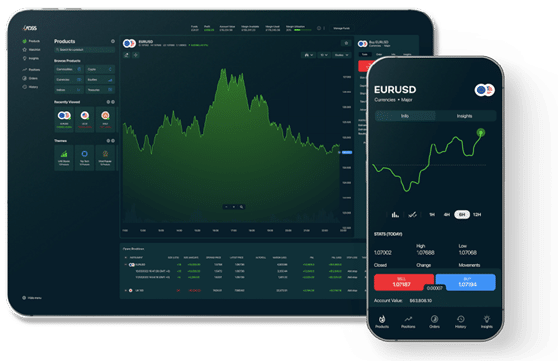
Invest in renewable stocks through the ADSS platform
Renewable energy stocks include companies focused on sustainable power generation from green energy investments in solar, wind, and hydroelectric power, unlike traditional energy firms that rely on finite fossil fuels. These clean energy stocks benefit from declining technology costs and growing corporate demand for sustainable electricity, whilst also attracting ESG-focused investors seeking to reduce their portfolio’s environmental impact. Solar energy stocks and wind energy stocks have become increasingly competitive with conventional power generation, though they remain more sensitive to government policy changes and subsidy programmes than traditional energy investments.
The renewable energy sector encompasses a diverse set of companies, including solar energy stocks, wind energy stocks, and other clean tech stocks such as GE Vernova that manufacture both renewable and conventional energy equipment. Green energy investments include manufacturers of renewable equipment, developers of sustainable energy projects, and operators of wind and solar farms, alongside traditional utilities that have significant non fossil fuel operations. This broad definition means that sustainable energy stocks often blur the lines between different energy subsectors, with many utilities providers offering both traditional and green energy sources.
Alternative energy investments face unique challenges including dependence on government incentives, battery storage limitations, and supply chain constraints for critical materials used in renewable technologies. However, these sustainable energy stocks also benefit from strong long-term growth drivers such as corporate renewable energy mandates, improving grid infrastructure, and international commitments to reduce carbon emissions. ESG energy stocks have gained particular attention from institutional investors, though political changes can create volatility as seen following recent shifts in US energy policy, making it essential for investors to consider both policy risks and technological advancement opportunities when evaluating clean energy stocks.

ADSS
8th floor, CI Tower
Corniche Road
PO Box 93894
Abu Dhabi
United Arab Emirates
Trading Services
ts@adss.com
+971 2 657 2414
Investing in CFDs involves a high degree of risk that you will lose your money due to the use of leverage, particularly in fast moving markets, where a relatively small movement in the price can lead to a proportionately larger movement in the value of your investment. This can result in loses that exceed the funds in your account. You should consider whether you understand how CFDs work and you should seek independent advice if necessary.
ADS Securities L.L.C – S.P.C (“ADSS”), a limited liability company – sole proprietorship company incorporated under United Arab Emirates law. Registered under Commercial License No.1190047. ADS Securities L.L.C S.P.C is regulated and authorised in the UAE by the Capital Market Authority (CMA) under Category 1 License No.305027 (Trading Broker, Trading and Clearing Broker, Trading Broker in the International Markets, Trading Broker of OTC Derivatives and Currencies in the Spot Market, Financial Products Dealer) and Category 5 License No.20200000217 (Introduction). Registered Office: 8th Floor, CI Tower, Corniche Road, P.O. Box 93894, Abu Dhabi, United Arab Emirates.
The information presented is not directed at residents of any particular country outside the United Arab Emirates and is not intended for distribution to, or use by, any person in any country where the distribution or use is contrary to local law or regulation.
ADSS is an execution only service provider and does not provide advice. ADSS may publish general market commentary from time to time. Where it does, the material published does not constitute advice, or a solicitation, or a recommendation to a transaction in any financial instrument. ADSS accepts no responsibility for any use of the content presented and any consequences of that use. No representation or warranty is given as to the completeness of this information. Anyone acting on the information provided does so at their own risk.